15 Most Common Questions About Botox in Wheaton, IL Answered
- Sep 29, 2025
- 6 min read
Updated: Oct 21, 2025
If you're considering Botox but have questions, you're not alone! In Wheaton, IL, many individuals are curious about this popular treatment. This article aims to clarify some common inquiries about Botox, from its effectiveness to safety. Let's dive into the answers and help you make an informed decision.
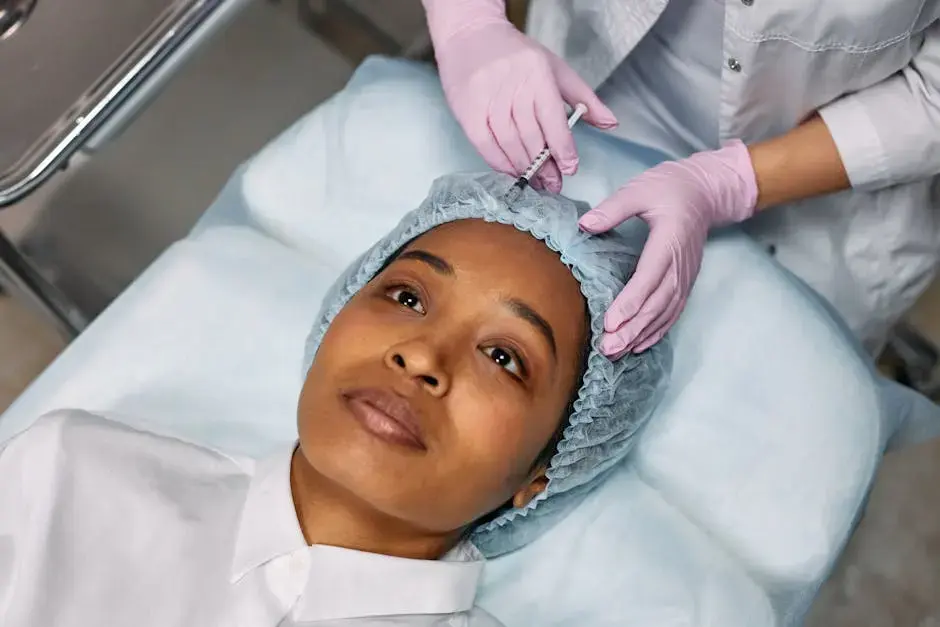
1. What Exactly is Botox?
Botox is a cosmetic treatment made from the bacterium Clostridium botulinum, which works by temporarily paralyzing muscles to reduce the appearance of wrinkles. While the name may conjure images of frozen faces, it’s important to understand that when applied skillfully, Botox can achieve a natural and youthful look. It’s not just about erasing lines; it’s about enhancing your features subtly.
This popular treatment has become a go-to solution for those looking to refresh their appearance without undergoing invasive surgery. Many patients in Wheaton, IL, have embraced Botox for its effectiveness and convenience, often expressing satisfaction with how refreshed and rejuvenated they feel afterward.
2. How Does Botox Work?
Botox blocks signals from nerves to the muscles, preventing them from contracting. This results in a smoother skin appearance, particularly in areas where dynamic wrinkles form — think of facial expressions like frowning or squinting. By relaxing these muscles, Botox allows the skin to smooth out and regain a softer look.
Interestingly, the effects of Botox aren't instant; they typically start to appear within a few days and reach their peak around two weeks after treatment. Understanding this timeline can help you manage expectations and make the most of your experience. It’s also one of the reasons why follow-up consultations are encouraged—so you can review the results and decide on future treatments.
3. Is Botox Safe?
When administered by a qualified professional, Botox is generally considered safe. Side effects are usually mild and temporary, such as minor swelling or bruising at the injection site. Most patients find the procedure tolerable, often likening it to a small pinch or a light sting.
However, it’s crucial to remain informed and aware of the potential risks. Serious complications are rare but can include allergic reactions or unintended muscle weakness if administered incorrectly. This is why thorough research and consultations with experienced injectors are pivotal in ensuring a safe experience.
4. What Areas Can Be Treated with Botox?
Botox is commonly used to soften facial lines, such as crow's feet, frown lines, and forehead wrinkles. These areas benefit significantly from Botox as they tend to show the most signs of aging due to repetitive muscle movements. But it doesn’t stop at wrinkles; Botox has also been employed to treat excessive sweating and even migraines in some patients, showcasing its versatility.
In Wheaton, IL, many clinics are offering tailored treatments, allowing for targeted applications that address each patient’s specific concerns. Whether you're looking for a subtle lift or aiming to smooth out specific wrinkles, understanding the breadth of Botox applications can help you make the right choice for your needs.
5. How Long Does Botox Last?
Typically, Botox results last three to six months. Regular treatments can help maintain the desired effect, as repeated use can sometimes lead to longer-lasting results over time. Some patients even report that their wrinkles are less pronounced as they continue with their sessions, highlighting Botox's potential cumulative benefits.
It’s also good to note that individual experiences may vary. Factors like metabolism, lifestyle, and the area treated can all influence longevity. Consequently, discussing a personalized Botox maintenance schedule during your consultation can ensure you stay looking your best.
6. What Should I Expect During a Botox Treatment?
The procedure is quick, usually taking about fifteen minutes, and involves minimal discomfort thanks to fine needles. Many patients enjoy the convenience of a lunchtime appointment, allowing them to return to their daily routines with little disruption.
Before treatment, a consultation typically takes place, where your injector will discuss your goals and assess your facial structure. This step is crucial for achieving optimal results. The actual injections may feel like tiny pinches, but most find it quite manageable, especially with a skilled hand behind the needle.
7. Will Botox Make My Face Look Frozen?
When performed correctly, Botox should not make your face look frozen. A skilled injector will ensure that facial expressions are preserved. This is perhaps one of the most common misconceptions surrounding Botox, and it can deter some from seeking treatment. However, preservation of natural movement is a hallmark of good Botox practice, with subtlety in mind.
It’s crucial to communicate clearly about your desired outcomes. A qualified injector in Wheaton will prioritize your experience and work to help you achieve a look that feels authentic and natural. Patient comfort and satisfaction should always come first during your Botox treatment.
8. How Much Does Botox Cost in Wheaton, IL?
The cost of Botox varies based on the clinic and the amount used. Typically, practitioners charge per unit of Botox, and prices in Wheaton, IL tend to reflect the overall expertise and reputation of the injector as well as the clinic’s facilities. Generally, it's important to inquire about pricing during consultations; some clinics might offer package deals or promotions.
When weighing the cost, remember that investing in Botox is not just about the immediate results; it's also about the longer-term effects on your self-esteem and how you feel in your own skin. A thorough consultation can help clarify costs and ensure you appreciate the value of the services you’re receiving.
9. Who is a Good Candidate for Botox?
Good candidates are typically adults looking to reduce the appearance of wrinkles. However, it’s not just age that determines candidacy; skin type, health status, and specific aesthetic goals play significant roles. If you're generally healthy and have realistic expectations about what Botox can achieve, you may be an excellent candidate.
A consultation is essential, where a professional will evaluate your individual needs and address any concerns. This personalized approach ensures that Botox aligns with your goals and expectations, allowing you to approach the treatment with confidence.
10. Can Botox be Used for Other Medical Conditions?
Yes, Botox has several medical uses, including treating excessive sweating, migraines, and certain muscle disorders. In fact, many patients seek Botox for its therapeutic benefits, often finding relief from conditions they hadn’t expected to be treated with a cosmetic procedure. This dual function makes Botox a uniquely valuable option.
In Wheaton, IL, healthcare providers are increasingly incorporating Botox into treatment plans for various medical concerns. Discussing these possibilities with your injector can reveal options you may not have considered before, showcasing Botox’s broad spectrum of applications.
11. What Are the Common Side Effects of Botox?
Common side effects include bruising, swelling, and headaches, but they are usually mild and resolve on their own within a few days. It's essential to keep this in mind as you prepare for treatment; understanding what to expect can significantly reduce anxiety ahead of your appointment.
Moreover, discussing potential side effects during your consultation will provide clarity and help you gauge any necessary precautions. Ultimately, being well-informed and in tune with your body's reactions will enhance your Botox experience.
12. How Can I Find a Qualified Botox Injector in Wheaton?
Research local clinics, read reviews, and ask for recommendations to find a certified and experienced injector. Personal referrals can often lead you to trusted professionals who have delivered satisfactory results for others. Websites and social media can also provide insights into a practitioner’s skill level and patient satisfaction.
Once you have a shortlist, scheduling consultations can help you get a feel for the environment and the injector’s approach. A good rapport and transparent communication with your injector are vital components for achieving the look you desire.
13. What Is the Recovery Time After Botox?
There is little to no downtime after Botox, making it a convenient option for those with busy schedules. Many patients carry on with their day right after the procedure, only needing to follow a few simple aftercare instructions to ensure the best results.
While some may experience minor redness or swelling, these typically resolve quickly. Understanding that Botox seamlessly fits into a hectic lifestyle can be a significant factor for many considering the treatment in Wheaton, IL. Thus, if time is a consideration, Botox is an excellent consideration.
14. Are There Any Restrictions After Getting Botox?
It's advisable to avoid strenuous exercise, bending over, or laying down for a few hours post-treatment to ensure optimal results. These precautions, although simple, can make a difference in the longevity and efficacy of your Botox experience.
Taking care of yourself immediately after the treatment can lead to a more satisfactory outcome. Remember, your injector will provide specific instructions tailored to your situation, and following their guidance is essential for the best possible results.
15. How Do I Know If Botox Is Right for Me?
Consulting with a qualified professional can help assess your skin type and treatment goals to determine if Botox is the best option. Each person’s skin is unique; hence a personalized approach can ensure Botox addresses your specific needs effectively.
Open discussions during your consultation will help clarify expectations and guide you toward the most beneficial treatment options—whether that’s Botox or another procedure. Being thoroughly informed about all possible paths will empower you in your skincare journey.


Comments